Pre-ramble
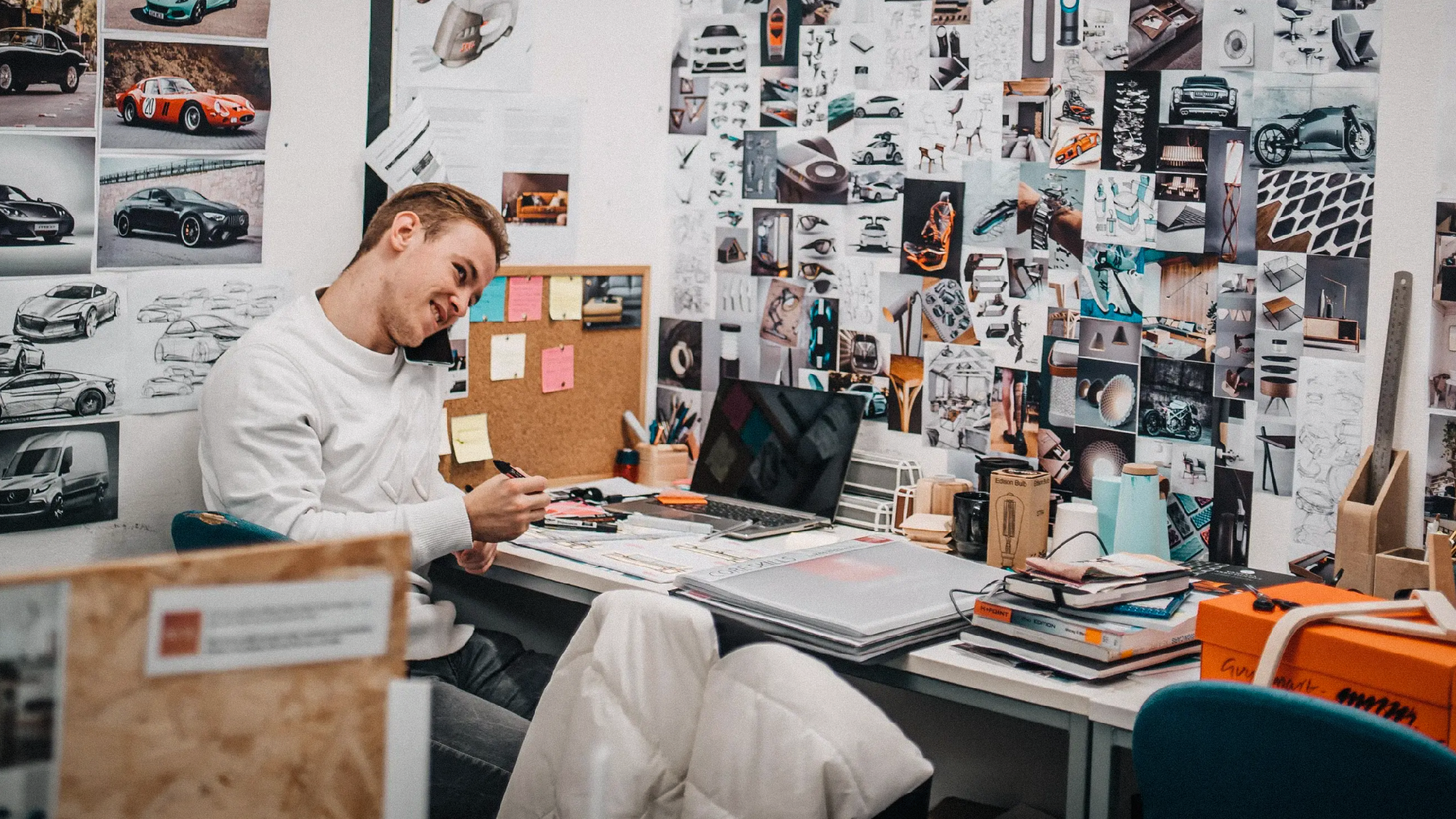
I wrote this in 2020 —just before leaving Delve, and right as the pandemic was beginning to take hold. At the time, I was burned out. As a designer and design director, I couldn’t justify making one more thing. It all felt unnecessary. Since that time I’ve come to realize that design is simply my creative pathway—no different than a musician making music. The act of designing itself isn’t the problem.
But the question behind this piece still stands. Do I agree with my 2020 self? Yes—I do.
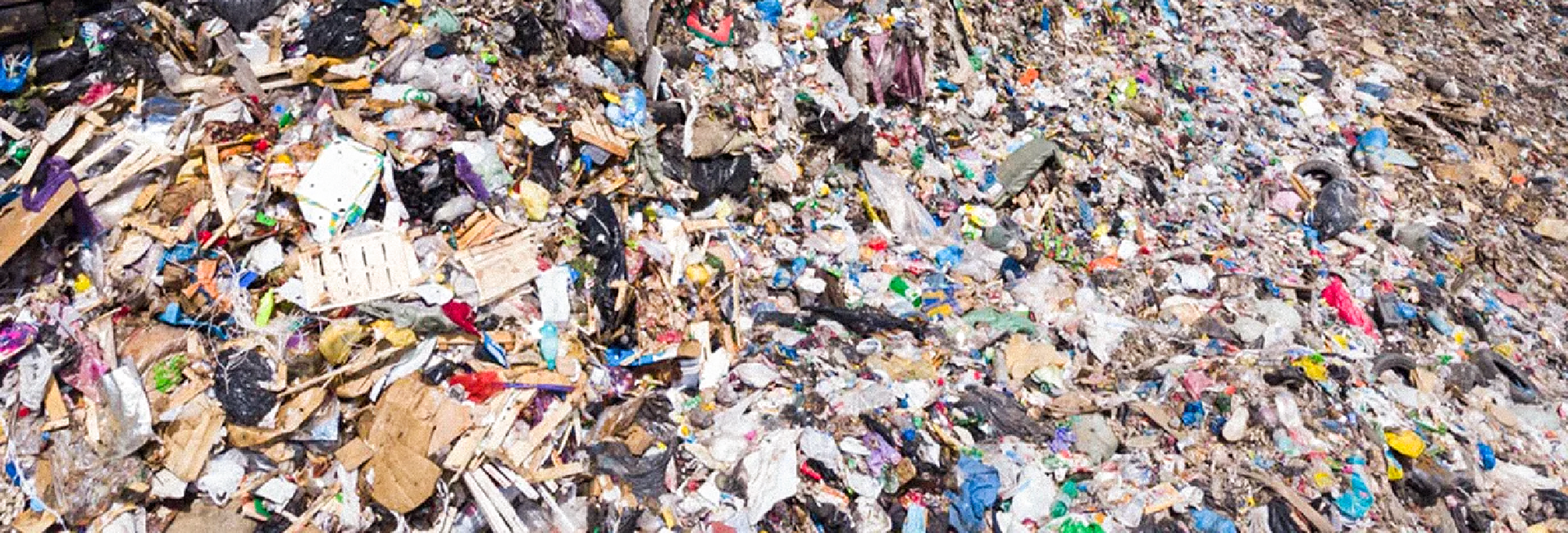
If anything, the signal is louder now. We’ve hit peak stuff. People are starting to recognize it. I’ve seen the scale of it firsthand—above-ground landfills, and millions of homes filled with things no one wants or needs. The need to stop hasn’t gone away and now there’s a second, more urgent question:
Not just how do we stop making more shit....
but how do we begin repairing the damage we’ve already done?
Here’s the deal—we have a big problem on our hands.
but how do we begin repairing the damage we’ve already done?
Here’s the deal—we have a big problem on our hands.
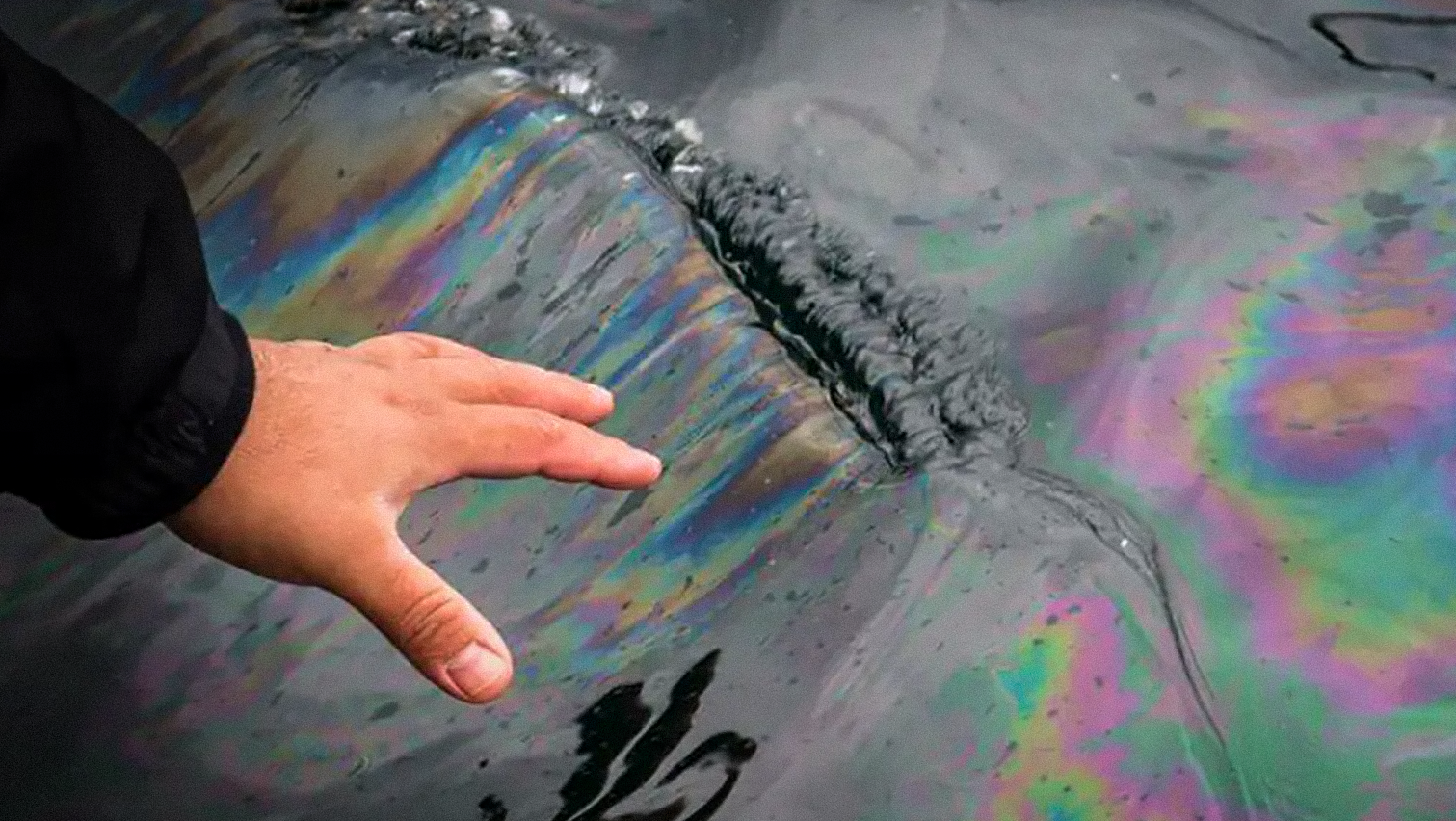
It’s not climate change. Not pollution. Not cancer or nuclear waste. Those are symptoms. The real problem is our insatiable need for new. Our addiction to consumption. A system we’ve designed, scaled, and normalized—one that destroys more than it creates.
Imagine you’re standing in a big box store looking for a kitchen faucet.
There are 30 designs on the wall. Six of each in stock below.
That’s 180 faucets in a single aisle.
That’s 180 faucets in a single aisle.
Now multiply that across 1,000 stores.
180,000 faucets.
180,000 faucets.
Now add competitors, local hardware stores, online inventory.
We’re easily into the millions.
We’re easily into the millions.
And that’s just faucets. Holy Shit.
How many other products follow this same pattern?
How many are less necessary?
How many will never be used?
How many are less necessary?
How many will never be used?
How many are already in a landfill?
As a designer, I think about this constantly. Because I’ve contributed to it. For years.
It’s time to part ways with this unsustainable status quo. Designers. Engineers. Product managers. We are not neutral in this system—we are its engine. We love making things. The process is addictive. Bringing something new into the world feels meaningful.
And let’s be honest—we also need the job.
And let’s be honest—we also need the job.
So we avoid the most important question: Should this exist at all?
And even when the answer is “probably not”… we move forward anyway. Because the system rewards it.
Design → Build → Sell → Dispose → Repeat.
We’ve been running this loop for nearly a century.
Now we’re approaching peak stuff.
Now we’re approaching peak stuff.
Today’s comfort is quietly stealing from tomorrow.
Every new physical product carries a cost far beyond its packaging—air, water, land. Real things. Finite things.
And many of the things we think make us happy are actively eroding that happiness.
We need to be honest about that.
Design can make the world better.
But too often, we use that idea to justify doing what’s easy, familiar, and profitable.
But too often, we use that idea to justify doing what’s easy, familiar, and profitable.
That’s not impact. That’s rationalization.
The good news: we have alternatives.
Not hypothetical ones—real ones already emerging.
Value is shifting from ownership to access.
From physical products to services, systems, and experiences.
From physical products to services, systems, and experiences.
You don’t need to own a car to get somewhere.
You don’t need to own media to consume it.
You don’t need more stuff to create more value.
You don’t need to own media to consume it.
You don’t need more stuff to create more value.
The future isn’t more products. It’s better systems.
Which means we need to redefine productivity.
Right now, productivity is measured in output:
How many units. How fast. How cheap.
How many units. How fast. How cheap.
But what if we measured it differently?
How much waste did we eliminate?
How long did the solution last?
How many physical products did we not have to make?
That’s a different scoreboard.
If you’re paying attention, there’s a quiet question sitting in the back of your mind:
“Does the world really need this?”
It’s uncomfortable. Easy to ignore.
So most of us do.
So most of us do.
Because sitting with that question creates tension—and tension demands change.
Yes, it’s heavy. But what’s not depressing is this: We designed our way into this system.
We can design our way out. The same ingenuity we’ve used to optimize consumption can be redirected—to reduce it.
To build circular systems.
To extend lifecycles.
To replace products with services.
To design less—but better.
We can design our way out. The same ingenuity we’ve used to optimize consumption can be redirected—to reduce it.
To build circular systems.
To extend lifecycles.
To replace products with services.
To design less—but better.
This doesn’t happen passively. It requires a shift in intent. We need to do better than just a few designers opting in—
a collective decision to change what we value. Because design doesn’t just shape products. It shapes behavior, markets, culture.
a collective decision to change what we value. Because design doesn’t just shape products. It shapes behavior, markets, culture.
One thing you can do today
Before starting your next project, take a pause. Ask the question—and actually sit with it: “If this didn’t exist, would it need to?”
If the answer is no, don’t just proceed by default.
Challenge the brief.
Redefine the problem.
Look for a non-physical solution.
Or make the thing last 10× longer.
Redefine the problem.
Look for a non-physical solution.
Or make the thing last 10× longer.
This isn’t about stopping design. It’s about using it with intention. Because if we don’t change what we’re creating we’re just designing a future we won’t want to live in.