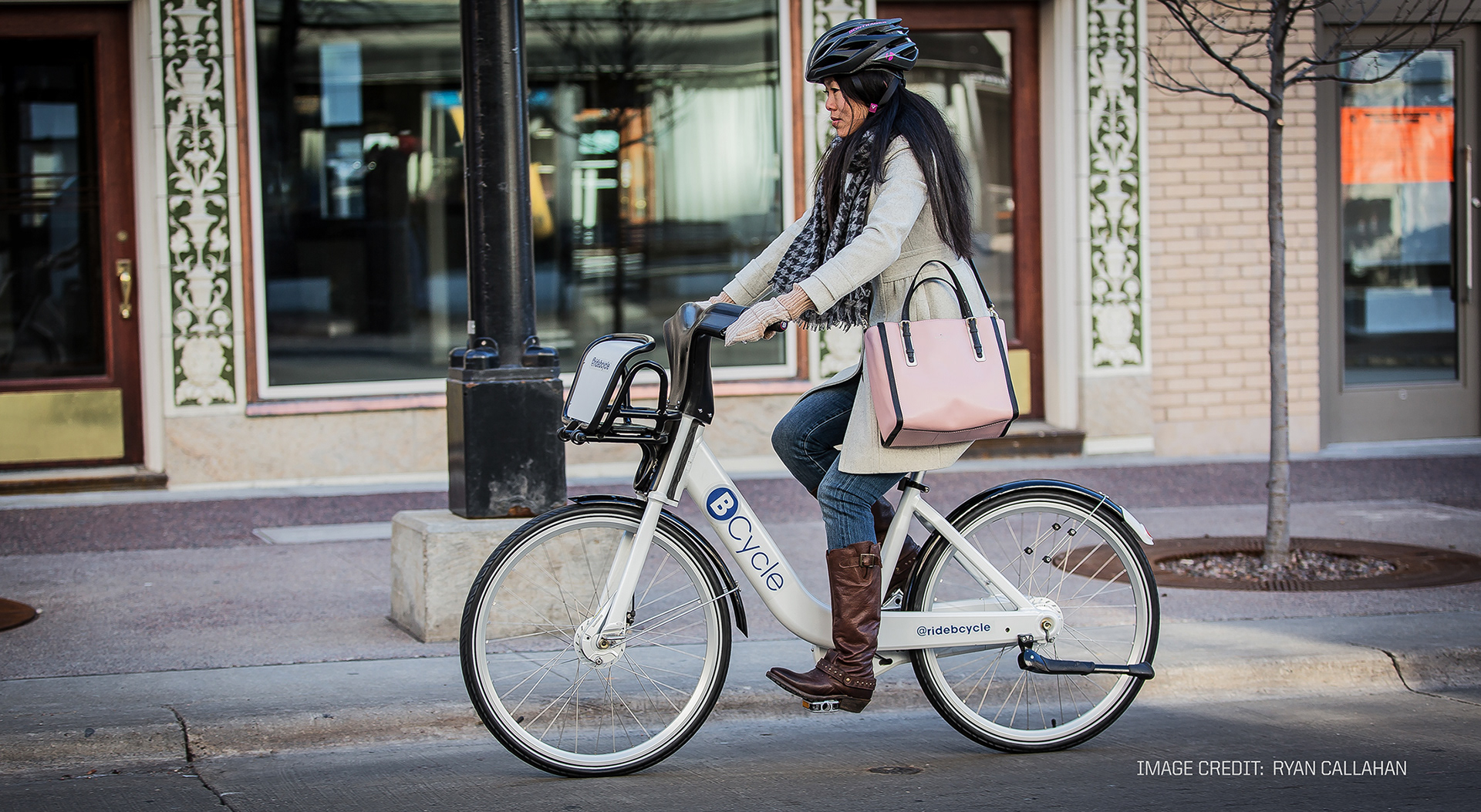
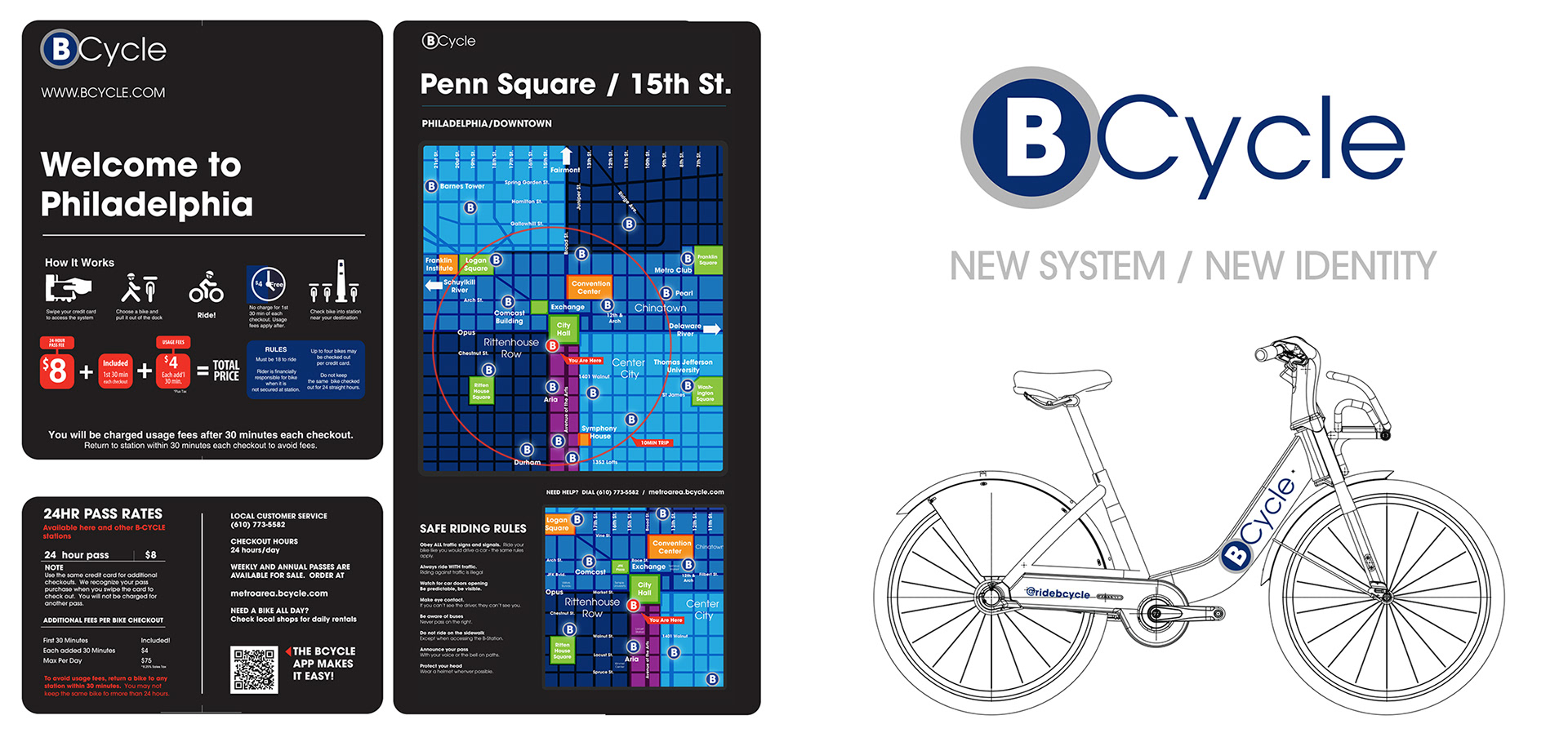
Launched in 2009, the BCycle system had remained largely unchanged until 2013, when it became clear the product needed a structural reset—not just a cosmetic update. In November of that year, a lean team—one engineer, one product manager, and myself—set out to rethink the platform as an integrated system, aligning hardware, user interaction, and future scalability under an aggressive timeline.
In just three months, we moved from early sketches to a fully functioning prototype, hitting the deadline while establishing a clear, extensible design framework for BCycle’s next generation. I led concept design and hands-on prototyping, as seen in the above image.
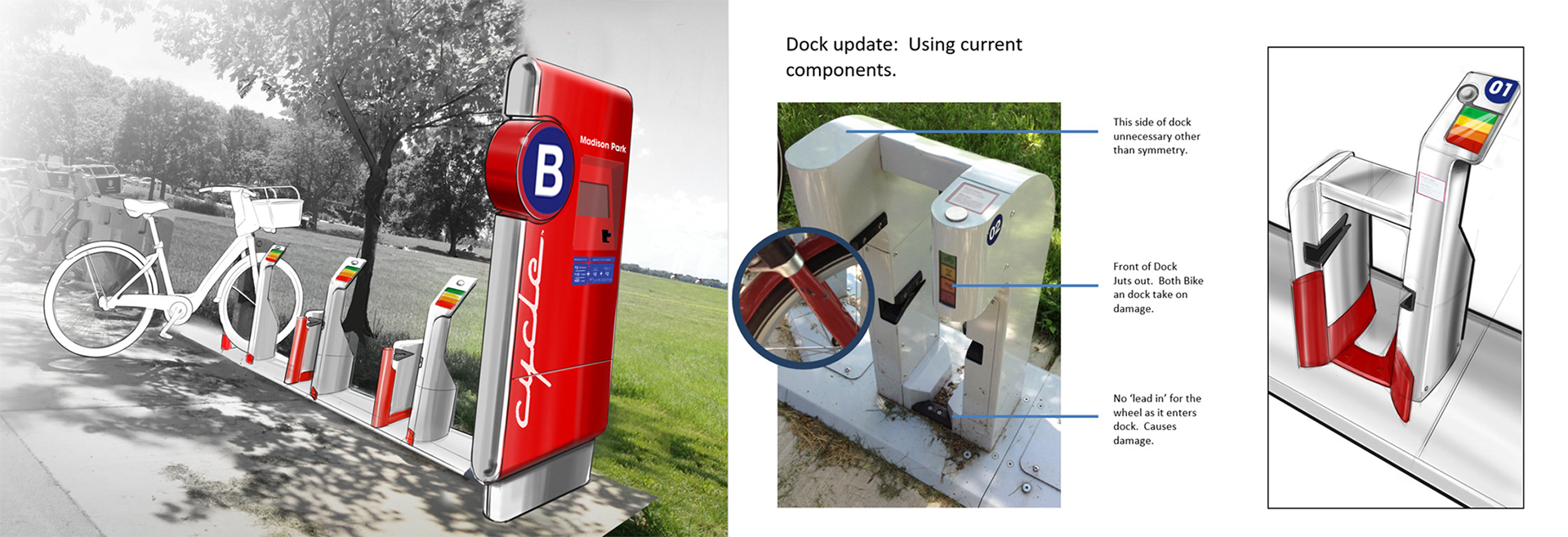
One of a few early concepts sketches.
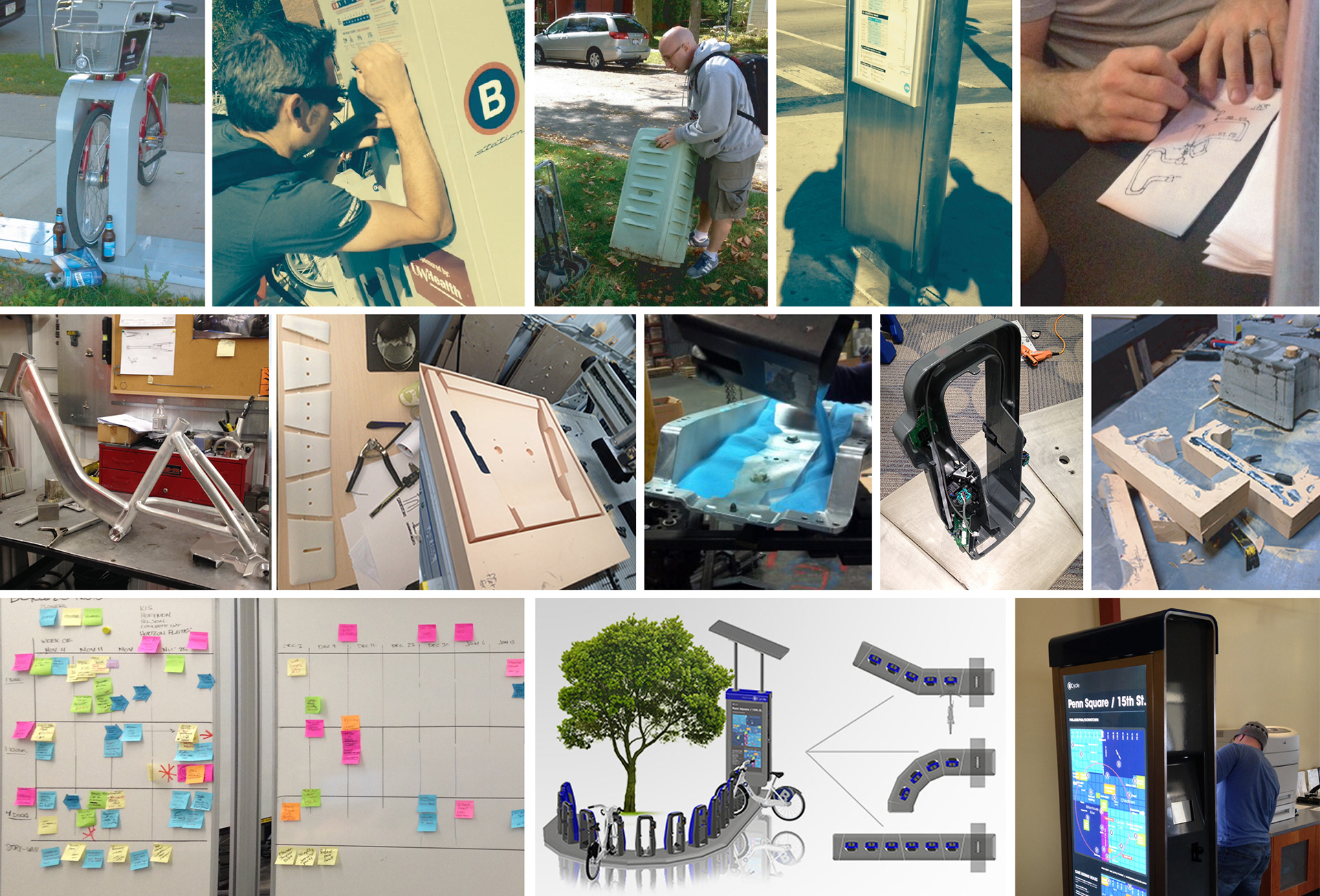
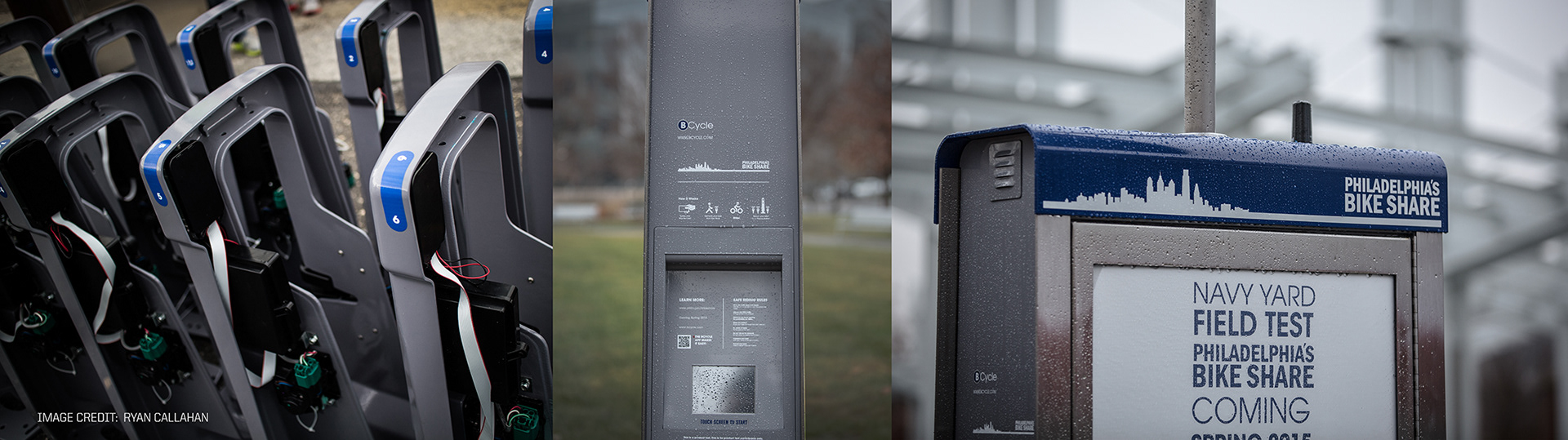
The development process started with the team getting out in the urban environment and understanding what worked, what didn't in terms of durability. We progressed with ideas borrowed from playground equipment - use plastics and stainless steel among other materials to make a system that would last.
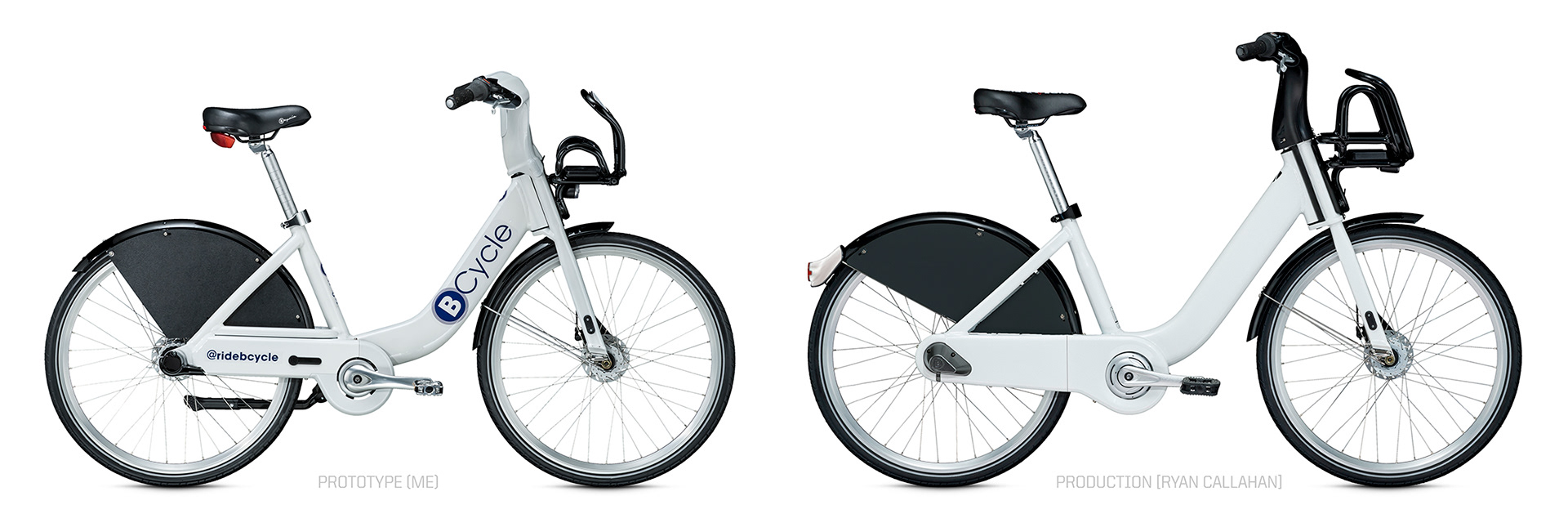
Ryan Callahan and Eric Bybee took the prototype to a production detail level. When you are trying to get it done fast, a lot of corners are cut. Ryan/Eric put their efforts into refining the design and making it work for manufacturing and cost.
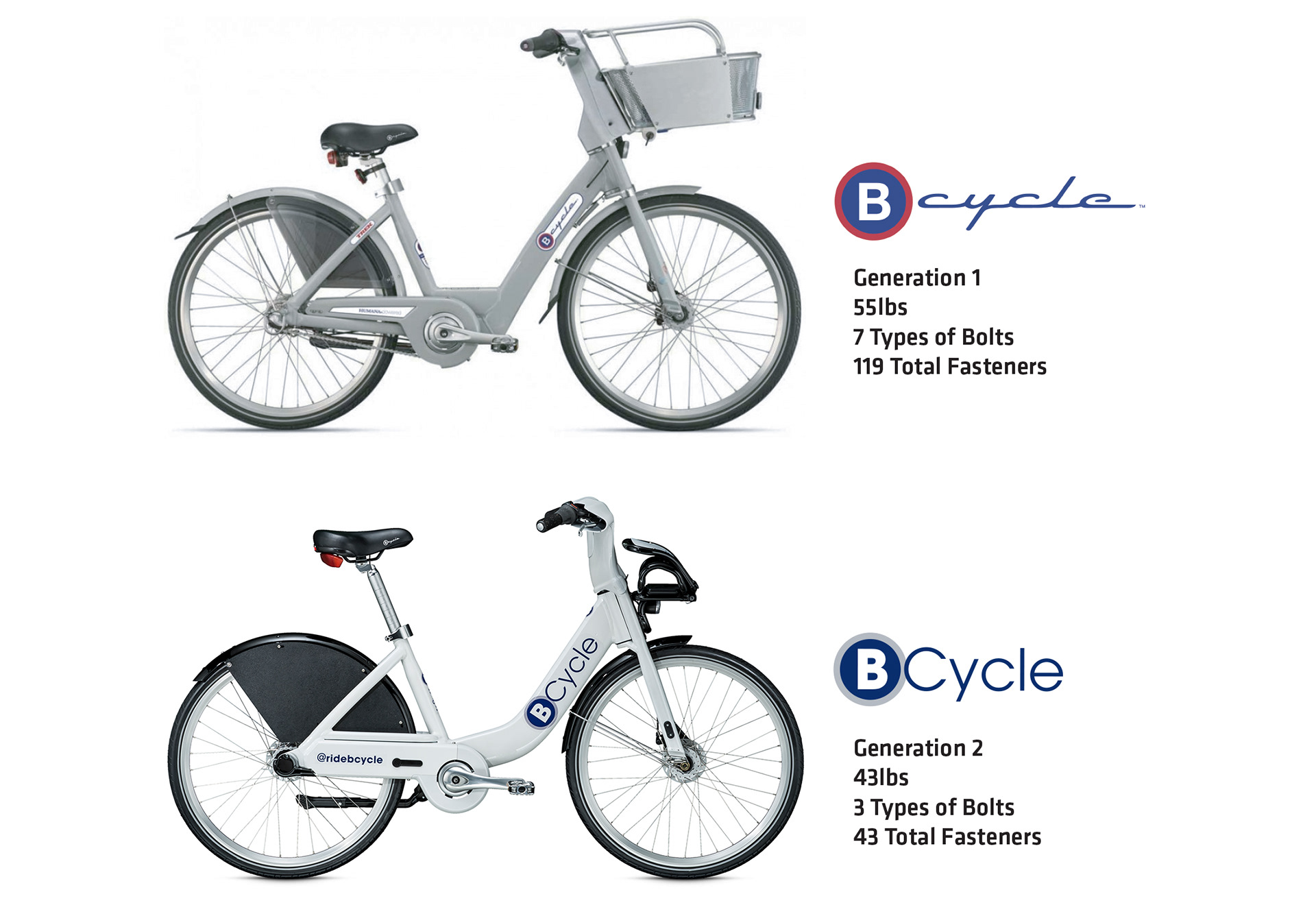

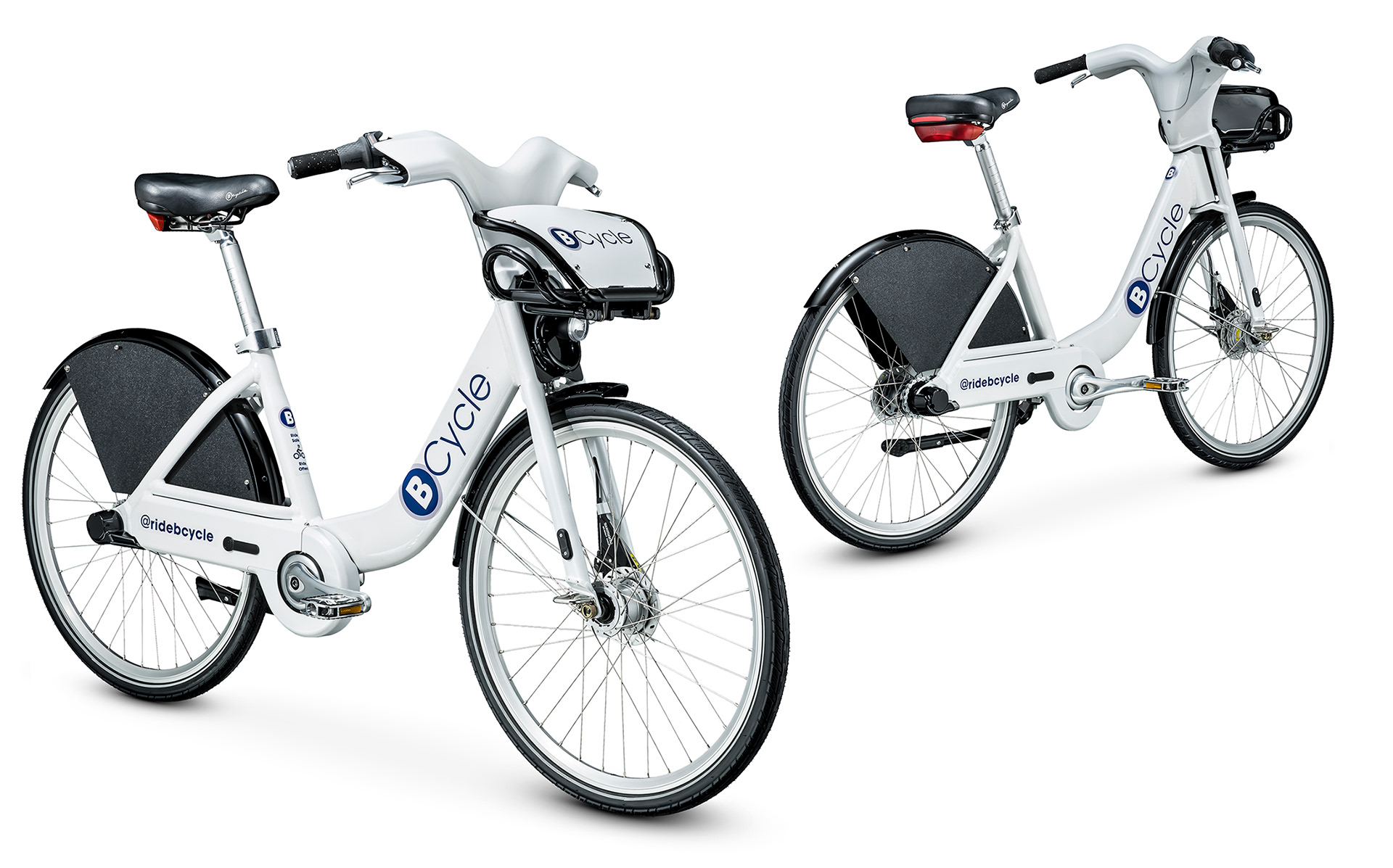
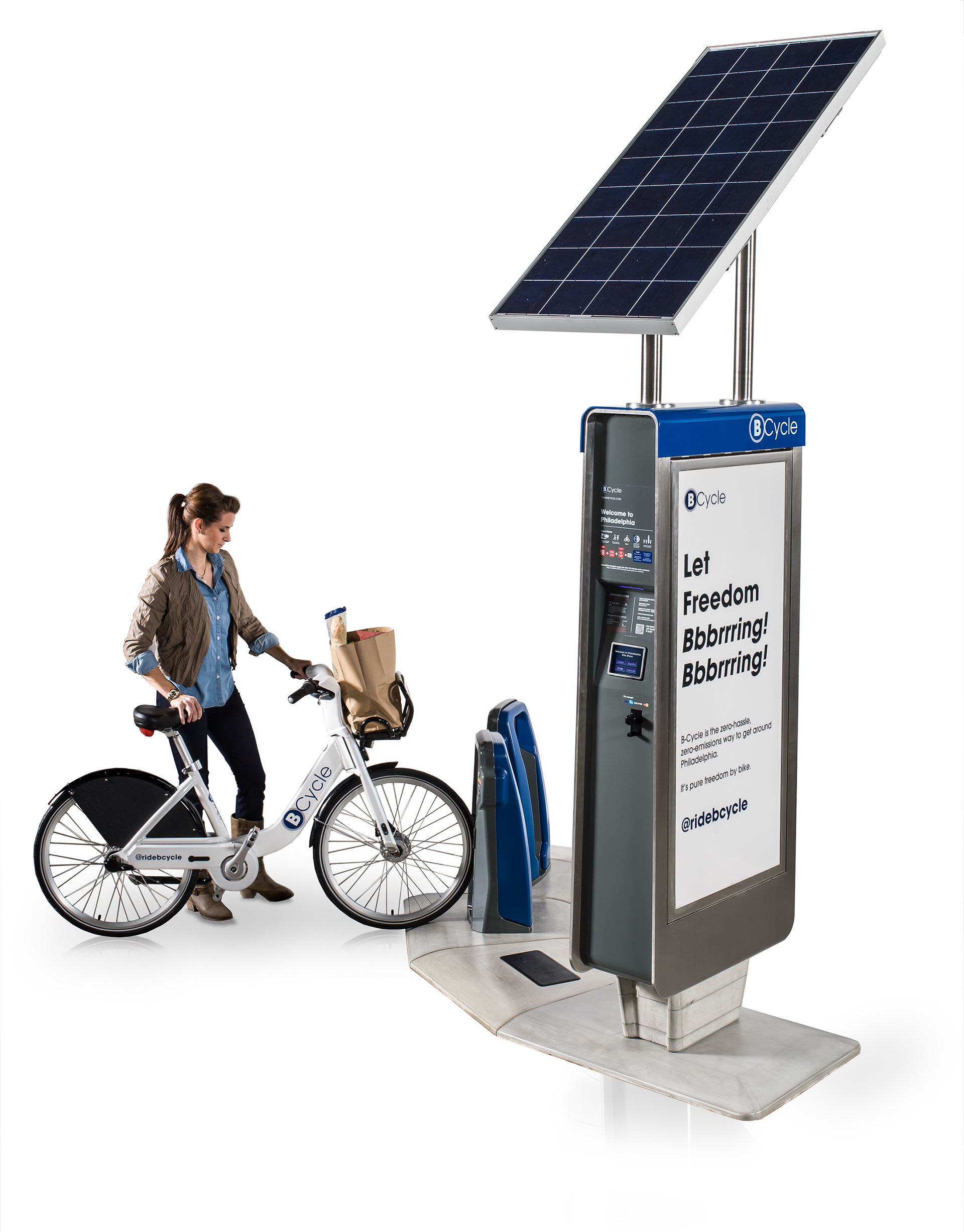
The finished prototype at Trek HQ
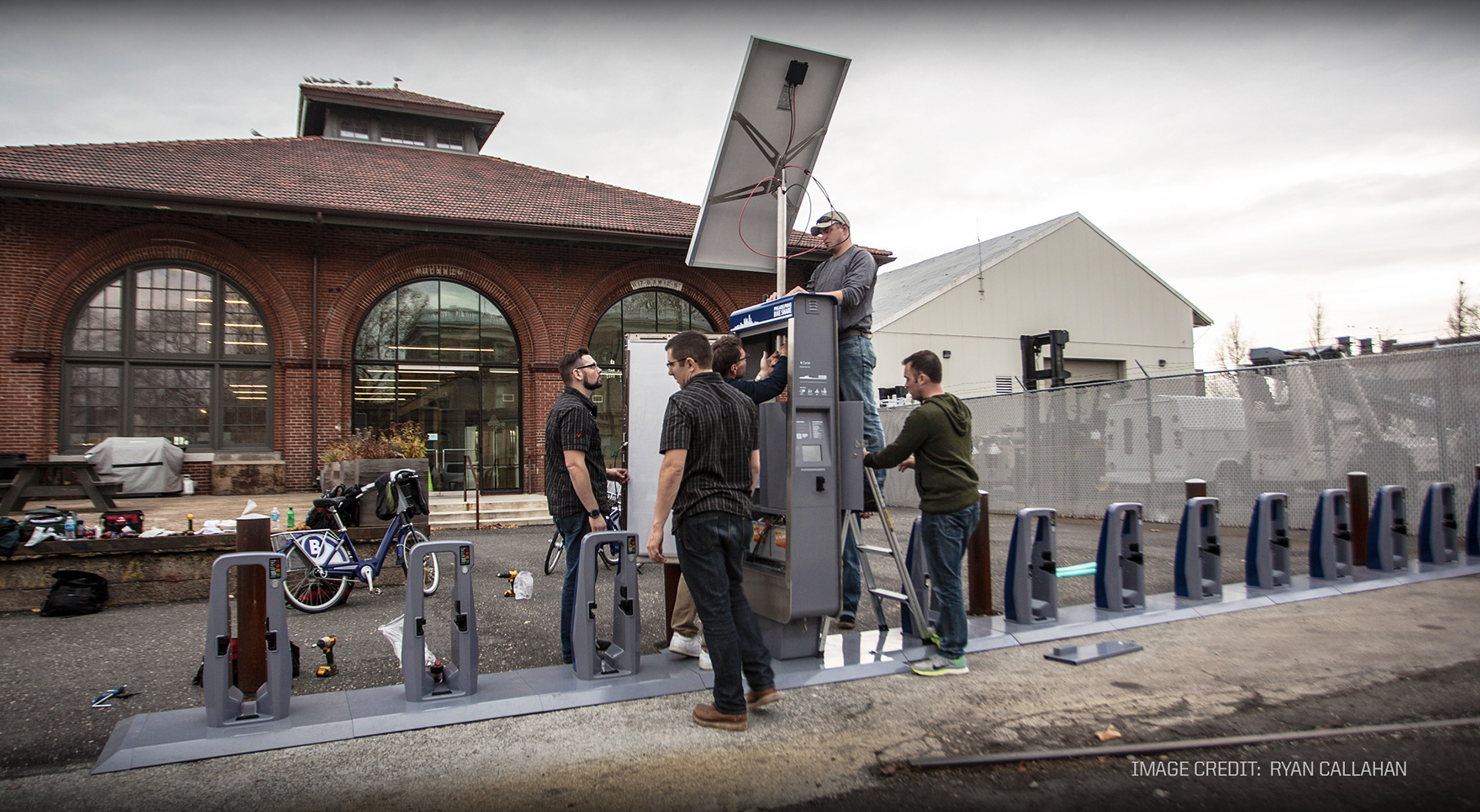
The first install in Philadelphia - at the Naval Yard.